
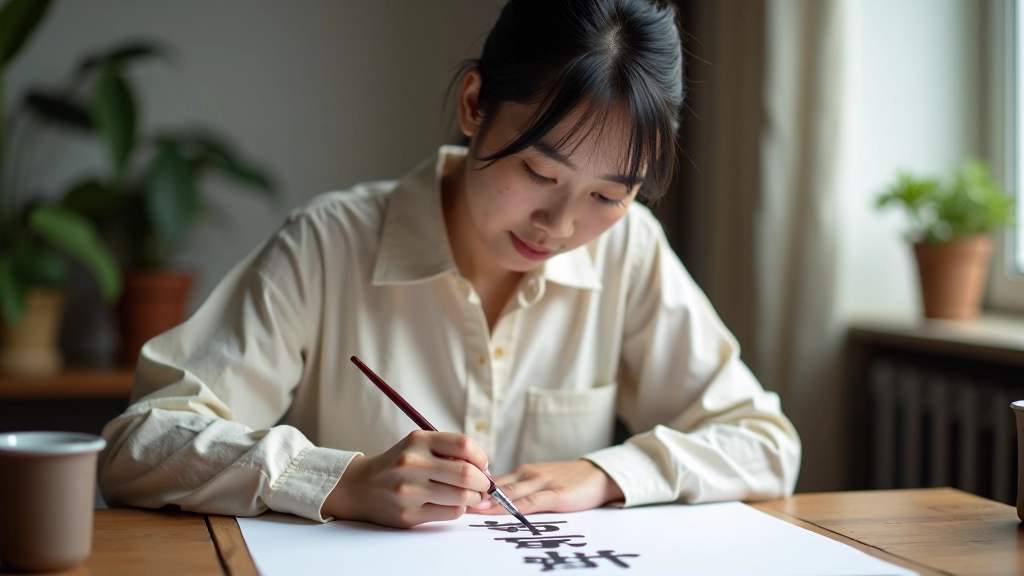
Starting Your Calligraphy Journey — Ink Painting Basics
What you need to know before picking up a brush. We cover brush selection, ink techniques, and foundational strokes.
Join plein-air drawing sessions across Hong Kong’s waterfront parks. Find community groups, what to bring, and how to improve your sketching skills outdoors.


There’s something special about drawing outdoors. You’re not staring at a blank studio wall—you’ve got real light, real movement, real people walking past your easel. Hong Kong’s harbour parks are perfect for this. You’ve got water reflecting different tones every minute, architectural sketches in the distance, and genuine scenes that make your drawings feel alive.
Weekend sketching groups give you structure without pressure. You show up, set up your spot, and draw at your own pace. Nobody’s grading your work. It’s just people who want to improve, learn from watching others, and maybe grab coffee afterward. The groups range from absolute beginners to experienced artists who’ve been sketching for years.
“Drawing outside forces you to work faster and trust your instincts. You can’t overthink it when the light’s changing every five minutes.”
— Participant feedback

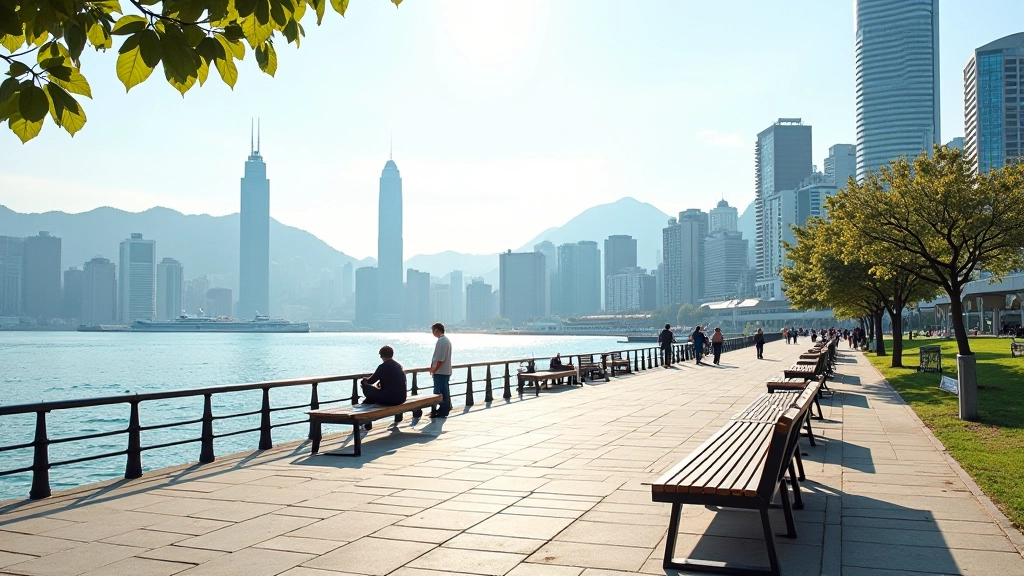
Several parks have become sketching hotspots. Victoria Harbour’s waterfront offers constantly changing light and architectural variety. The promenades have benches where you can sit for hours without anyone bothering you. On weekends, you’ll find groups gathering around the same spots—usually near public seating areas where there’s a mix of shade and open space.
Stable, consistent light. Easy access from MTR. Weekend groups meet Saturday mornings around 9am.
Best for harbour and skyline sketches. More crowded on weekends but great for people-watching practice.
Quieter than central areas. Good for natural elements—trees, rocks, water reflections.
This article provides educational information about urban sketching groups and practices in Hong Kong. Specific group schedules, locations, and contact details change regularly—check with local community centres or search online for current meetup information. Always check weather conditions before heading out, and bring sun protection if you’ll be sketching for extended periods. Sketching outdoors is weather-dependent, so have a backup plan for rainy days.
When you sketch outdoors with others, you’re constantly observing different approaches. Some people start with light guidelines. Others jump straight into confident lines. You’ll see both methods work, and that’s the real education happening. Group sessions usually start with 15-20 minute quick sketches to warm up—these are throwaway studies that teach you to see proportions faster.
A 5-minute sketch forces you to capture essence, not details. You learn what’s actually important in a scene. After doing 10 of these, your slower 30-minute sketches become much more confident because you’re not getting lost in unnecessary lines.
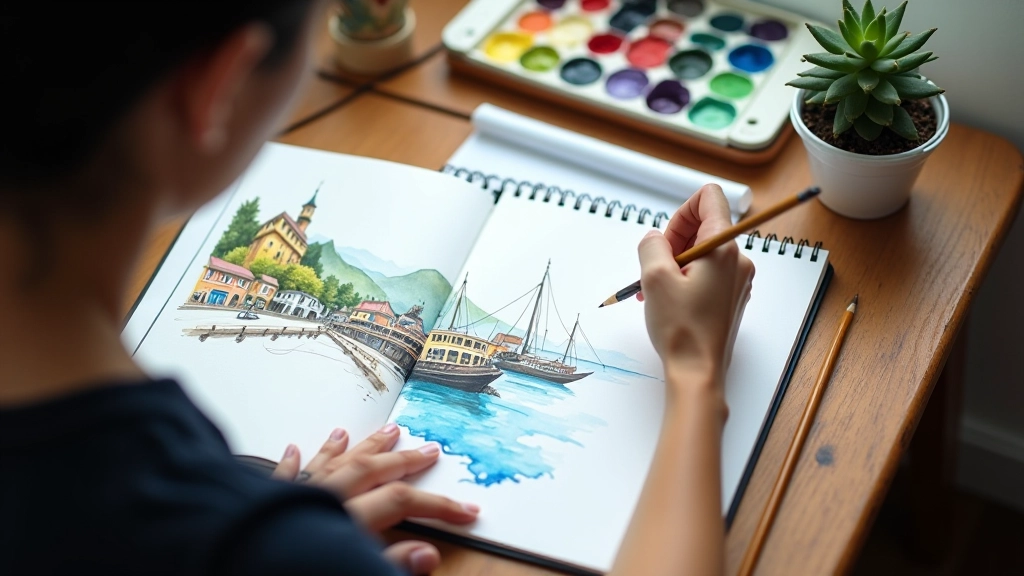
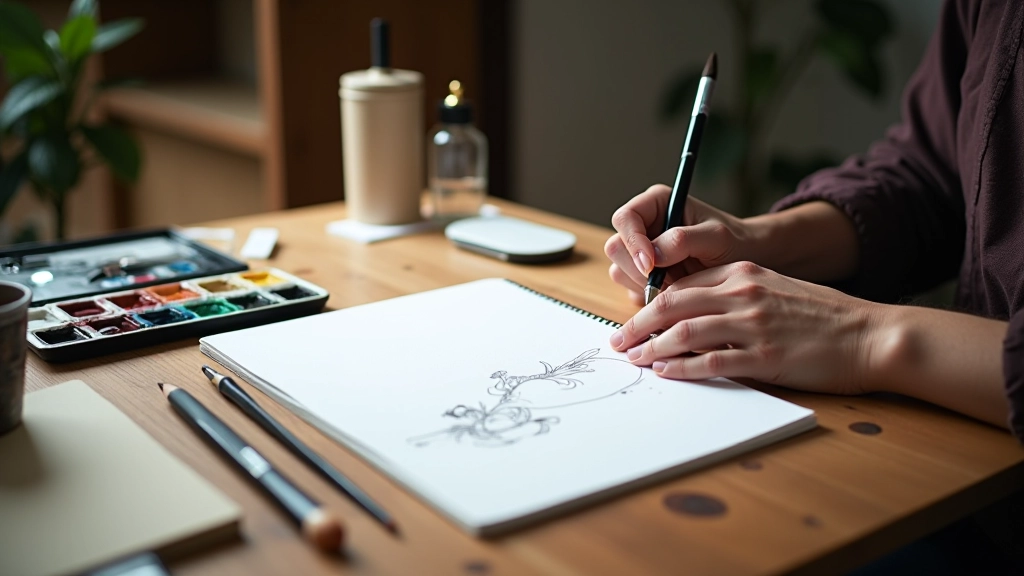
You don’t need fancy gear to start. A sketchbook, couple of pencils, and an eraser will get you through your first few weeks. Most group participants use whatever they’re comfortable with—some prefer pencil only, others bring full watercolour sets. The key is keeping it portable enough that you’re not exhausted before you even start sketching.
Medium weight paper handles both pencil and light watercolour. A4 or smaller fits in bags easily.
2-3 pencils (HB, 2B), black pen for outlines. Fine-liner pens stay crisp even in wind.
Small watercolour set or coloured pencils. Bring a water bottle and brush for watercolour work.
The social part isn’t forced. You’re sitting next to someone sketching for 2 hours, and naturally you’ll chat about your approach, ask where they’re looking at, notice what they’re doing differently. These aren’t formal classes—they’re people choosing to spend weekend time doing something they enjoy. That creates a different energy than a structured course.
Many groups have evolved into genuine friendships. People exchange Instagram handles, form smaller sub-groups for weekday evening sketches, or meet up specifically to sketch new locations. Some groups organize monthly outings to different parks. The commitment is whatever you want it to be—show up when you can, skip when you’re busy, no guilt.
You won’t become an expert in 8 weeks. But you’ll notice improvements—sketches get faster, proportions feel more accurate, you’re less afraid to make bold marks. After a few months of regular sessions, your eye develops. You start seeing light and shadow relationships that you were missing before. It’s subtle but noticeable.