
Why Art Works as Stress Relief
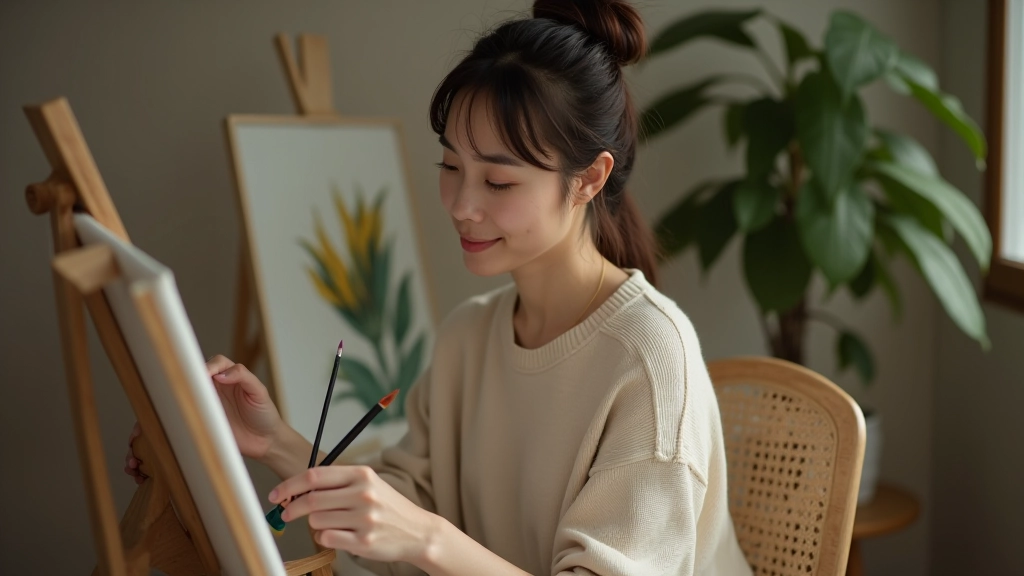
Art isn’t just something you look at in galleries. It’s something you do with your hands, your mind, and your whole body. When you’re painting, drawing, or working with clay, you’re not thinking about that presentation tomorrow or the argument you had last week. You’re focused on the here and now.
This shift in attention is powerful. Research shows that creative practice activates the parasympathetic nervous system — the part of your body that helps you calm down and recover. Your breathing slows, your heart rate drops, and your mind stops spinning. It’s not meditation, exactly. It’s more active than that. But it creates similar effects.
The real magic: You’re not trying to fix anything or achieve anything. You’re just creating. That freedom from pressure is where the relief comes from.
Getting Started — You Don’t Need Talent
Here’s what stops most people: they think they need to be “good at art” to benefit from it. That’s completely wrong. You don’t need talent to feel the stress-relief effects. You just need to show up and make something.
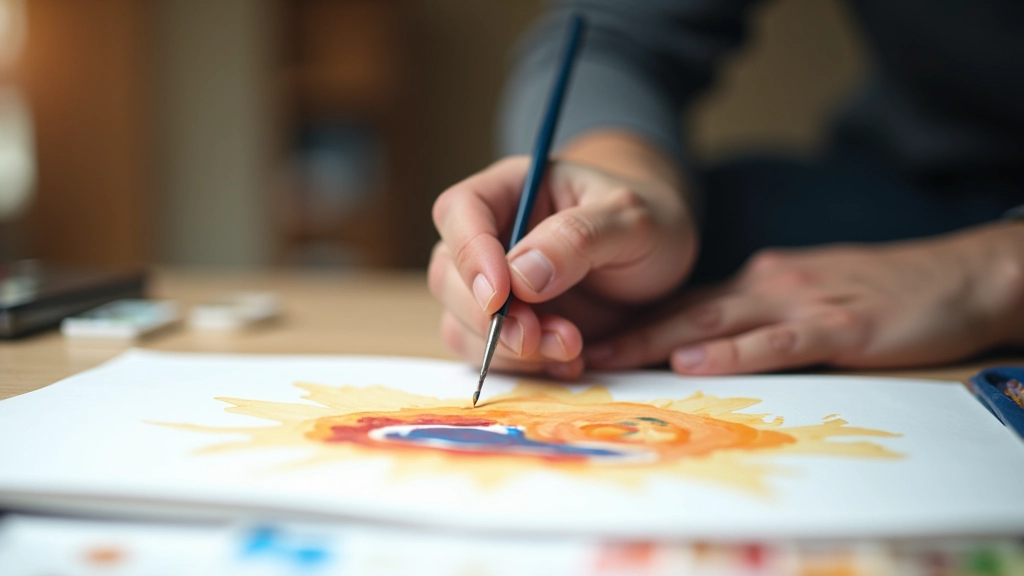
Start simple. A pencil and paper. A few watercolors. Some clay. Spend 30 minutes with no goal except to move your hands and see what happens. Don’t judge it. Don’t compare it to anything you’ve seen online. Just do it.
Most people notice the calming effects within the first few sessions. Not because they’ve created a masterpiece, but because their brain has finally stopped its constant planning and worrying.
Important Note
Creative practice is a wonderful tool for stress management and personal wellbeing, but it’s not a replacement for professional mental health support. If you’re struggling with anxiety, depression, or other mental health concerns, please consult with a qualified healthcare professional or therapist. Art can be part of your wellness routine, but it works best alongside other forms of care and support.
Building a Regular Practice
The benefits of art as stress relief come from consistency. A single session helps. Regular practice changes things. We’re talking about 2-3 times per week, even just 20-30 minutes at a time.
Think of it like exercise. One workout feels good. But a routine transforms how you feel overall. The same applies here. When you commit to regular creative time, you’ll notice:
- Better sleep at night
- Clearer thinking during the day
- Less anxiety in stressful situations
- Increased sense of accomplishment
- Connection with other artists and community
The key is finding a time that works for you. Morning, evening, weekends — it doesn’t matter. What matters is that it becomes something you look forward to, not something you force.
Finding Your Community
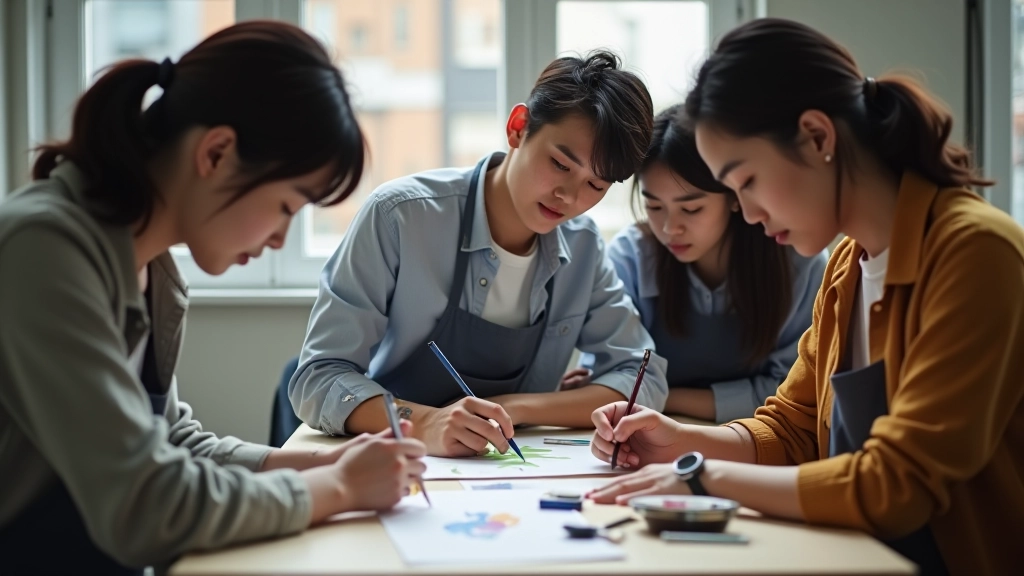
One of the most powerful aspects of creative practice is sharing it with others. You don’t need to be part of a group to benefit from art, but community adds something special.
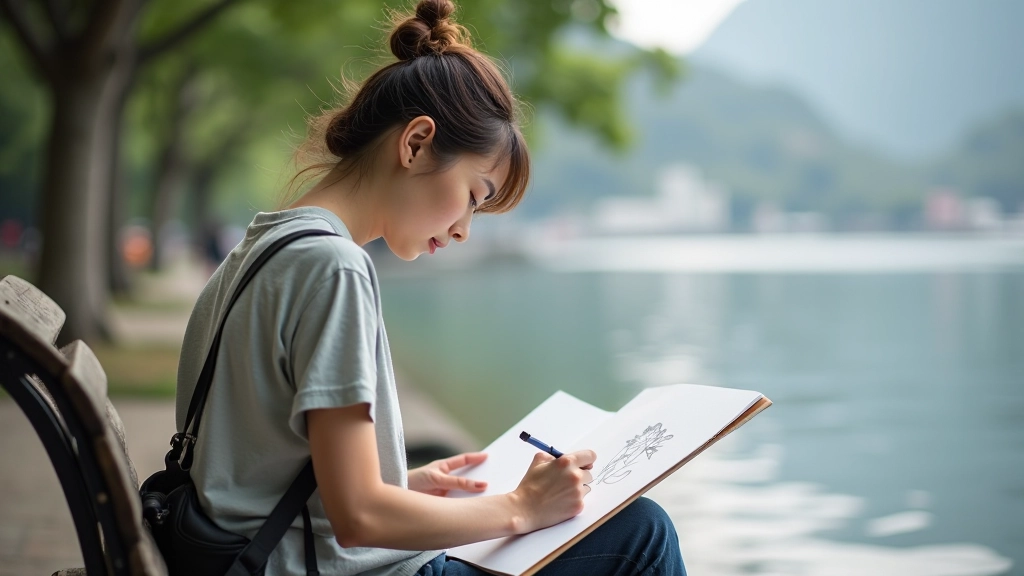
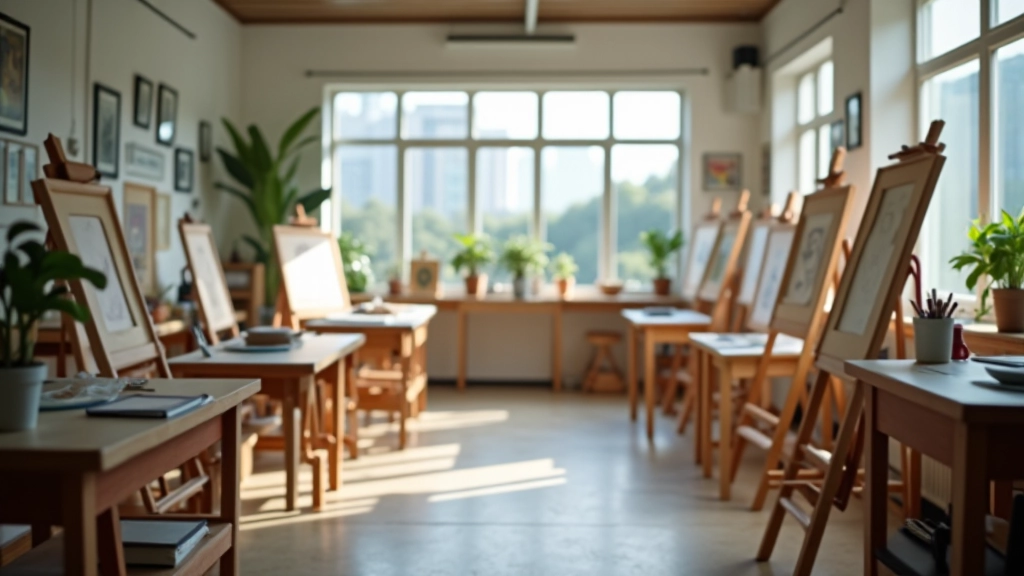
Hong Kong has incredible community art spaces. Drop-in sessions, weekend workshops, plein-air drawing groups in harbour parks — there’s something for every interest and skill level. These spaces aren’t intimidating. They’re welcoming. You’ll meet people who are also looking for that creative outlet, that calm space, that connection.
Being around others who create gives you permission to take your practice seriously. It normalizes making mistakes. It shows you different approaches and techniques. And honestly, it makes the whole experience more enjoyable.
Your Next Step
You don’t need permission to start. You don’t need a studio or expensive supplies. You don’t need to be talented. You just need to decide that you’re worth 30 minutes this week. Pick up a pencil. Make a mark. See what happens next.
The relief you’re looking for isn’t in creating a perfect piece. It’s in the act of creating itself. It’s in showing up for yourself. It’s in giving your mind permission to stop thinking about everything else and just be present with your hands and your imagination.
Ready to explore creative practice as a stress relief tool? Discover Hong Kong’s community art spaces and drop-in sessions.
Explore Art Spaces in Hong Kong